


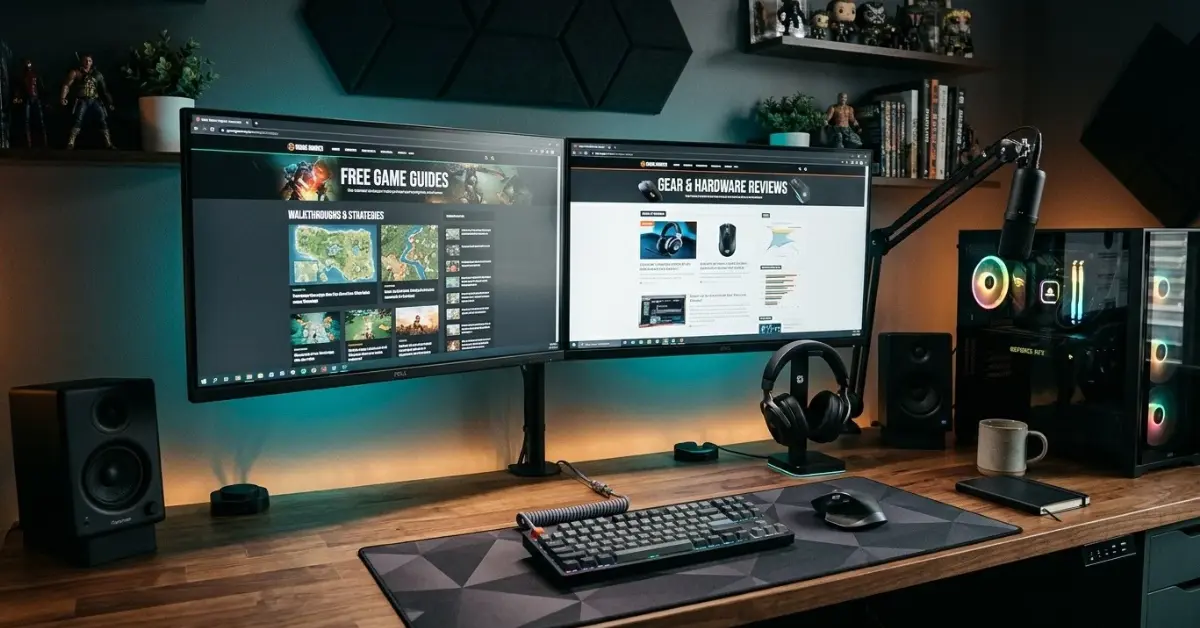
The best free gaming websites operate like digital gaming magazines, offering open-access hardware guides, console setup explainers, and game walkthroughs without mandatory subscriptions or paywalls. When evaluating a gaming content hub, look for transparent update timestamps, clean category navigation (separating PC gear, console guides, and single-game wikis), and an absence of forced login prompts to ensure you receive accurate, practical information.
Whether you are stuck on a complex RPG quest, comparing PS5 hardware accessories, or checking mobile gaming news, having reliable research sources bookmarked saves hours of frustration. While massive corporate gaming networks dominate breaking trailer news, independent gaming content hubs often deliver faster, more focused breakdowns for players who want straightforward answers.
Field Note from Our Research Desk: Modern gamers frequently encounter mixed search results where one page discusses cloud platforms while another reviews console accessories. For instance, players exploring PlayMyWorld online will notice how modern content hubs organize deep-dive game guides alongside hardware coverage, allowing readers to research setups in one clean reading space.
What Defines a Reliable Free Gaming Content Hub?
Navigating the web for gaming resources requires separating editorial review sites from automated scraping farms. A trustworthy free gaming website maintains specific structural standards that protect your time and device security.
| Evaluation Metric | High-Quality Gaming Content Hub | Low-Quality Scraping Portal |
| Content Accessibility | Full articles and walkthroughs are readable instantly with zero paywalls. | Forces email sign-ups or ad-walls halfway through reading an article. |
| Hardware Accuracy | References official manufacturer specs and includes realistic pros and cons. | Promotes unverified devices or exaggerated performance claims without proof. |
| Category Organization | Clear, logical navigation menus for Consoles, PC Gear, and specific game titles. | Chaotic, randomized post feeds with repetitive keyword-stuffed headings. |
| External Linking | Links directly to official game stores (Steam, PSN) or official hardware makers. | Redirects users through multiple ad-networks and shortened tracking links. |
Core Sections to Look for on Gaming Resource Sites
A well-structured gaming publication organizes its material so readers can jump straight to what they need without endless scrolling. When you land on a dependable gaming hub, check the top navigation bar for these essential categories.
1. Dedicated Console and Hardware Guides
Console hardware evolves rapidly across generations. A proper hardware section covers everything from PlayStation 5 storage expansion and Android TV boxes to retro systems and controller compatibility. This keeps console advice centralized rather than scattered across random blog posts.
2. Single-Game Deep Dives and Walkthroughs
For massive open-world titles like Fallout 4 or sprawling RPGs, a dedicated game category provides specialized guides on armor locations, companion quests, SPECIAL builds, and settlement crafting. These interconnected articles make it easy to follow a complete gameplay strategy from start to finish.
3. PC and Mobile Peripheral Reviews
Gaming isn’t restricted to high-end desktops anymore. Readers benefit from sites that review mobile gaming gear, mechanical keyboards, gaming mice, and audio headsets with practical real-world testing notes rather than recycled marketing copy.
Practical Tip for Readers: Always check the publication date on hardware and game guide articles. Gaming patches and console firmware updates alter mechanics frequently, so recent timestamps matter.
Why Independent Gaming Magazines Beat General Search Feeds
Relying solely on search engine result snippets often leads to fragmented information. Independent gaming magazines fill the gap between massive corporate news networks and community-driven forums by offering structured, human-written reviews.
- No Cluttered Forum Threads: Instead of digging through ten pages of forum arguments to find a specific console setting, editorial guides summarize the exact steps immediately.
- Focused Research Without Distractions: Clean typography and structured Markdown tables let you compare hardware specs at a glance.
- Clear Separation of Facts: Good content hubs distinguish clearly between what a website’s official homepage publishes and what unverified third-party blogs claim.
Frequently Asked Questions (FAQs)
Are free gaming websites completely safe to read?
Yes, provided you visit established domains directly and avoid clicking malicious ad banners or pop-up download prompts. Reading text articles carries no security risk when browsing on secure HTTPS connections.
Do I need to create an account to read game walkthroughs?
Legitimate gaming content sites do not require user accounts or logins just to read articles, watch embedded videos, or check hardware walkthroughs.
How do free gaming sites make money if they don’t charge readers?
Most independent gaming publications rely on clean display advertising, contextual affiliate recommendations, and sponsored hardware reviews to cover operational costs while keeping content free for users.
Can I trust user-generated comments on gaming sites?
Treat comments with caution. While community tips can be helpful, never download files, run command scripts, or click external links shared by anonymous users in comment sections.
Why do some gaming websites cover non-gaming topics like finance or art?
Many digital publishers operate under broad lifestyle and entertainment umbrellas, covering multiple topics under one domain. Always filter your reading to the specific gaming categories that match your interests.
What is the fastest way to verify a gaming website’s credibility?
Check the footer for an About page, Contact details, and a clear Privacy Policy. Real publishing teams make it easy to see who runs the site and how to reach them.
