





Tapscape is an iPhone, iPad, and Android app review website that also covers general tech and lifestyle news, and it runs a paid submission service where developers pay for a guaranteed review. Separately, a wave of AI-generated “Tapscape App” reviews has been showing up on hijacked university subdomains, describing an app that doesn’t actually exist under that name. If you’re searching “tapscape” right now, you’re probably running into both, and they are not the same thing.
Tapscape the Website: What It Actually Covers
Tapscape has been publishing since well before 2018 and is still posting multiple times a day in 2026. It’s not a niche review blog anymore. Scroll the homepage and you’ll find app reviews sitting next to posts on hardware trends, insurance types, mortgage income calculations, and even powersports fuel systems.
That range matters if you’re trying to figure out whether a “Tapscape” link you found is legitimate. The site organizes content under clear categories:
- iPhone – accessories, apps, games, news
- iPad – accessories, apps, games, news
- Mac – apps, news, science/health, social media
- Android – apps, games
- Technology – Apple, Android, digital media, web/dev
- Gadgets – smartphones, tablets, gaming, brand-specific (Samsung, HTC, LG, Xiaomi)
- Gear – cameras, laptops, storage, TVs
- Business, Entertainment, Science/Health
The byline you’ll see most often right now is Maya Gul. Posts carry publish dates, author pages, and a working comment count, which are basic but easy-to-check signals of an active editorial operation rather than a content farm.
The Paid Review Service (and What It Actually Guarantees)

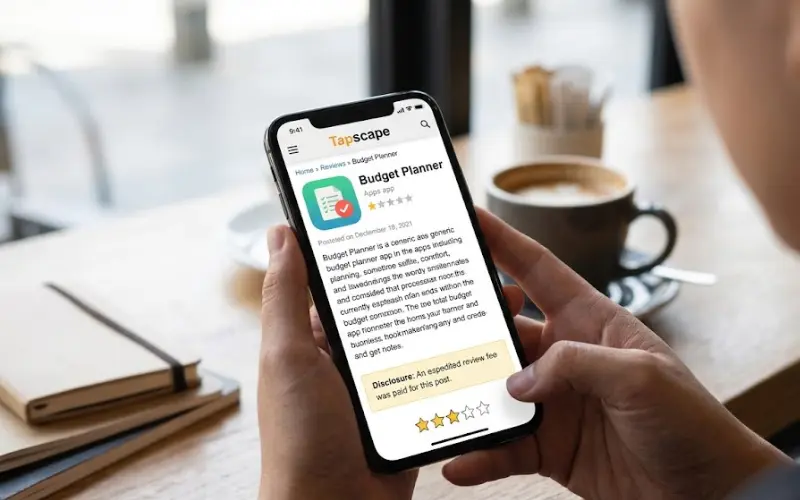
Here’s a detail most “what is Tapscape” roundups skip entirely: sells reviews. Developers can pay $99 for an “expedited” review with a 7-day turnaround, a homepage feature, links back to the app’s iTunes/Google Play listing, and a shoutout on X/Twitter account.
A few things worth knowing if you’re evaluating a Tapscape review, whether as a developer or a reader:
- The paid tier only guarantees speed and placement, not a positive verdict. states outright that apps are still reviewed and rated on merit.
- Full disclosure is supposed to run on any review where the expedite fee applied, so check the post itself for that disclosure line rather than assuming it’s absent.
- Free (non-expedited) submissions exist too, they just don’t come with a turnaround guarantee.
This pay-to-play structure is common across the app review blog space, but is more upfront about it than most, which is a genuine trust signal even if it complicates how much weight a glowing review should carry.
The Fake “Tapscape App” Reviews You Need to Watch For
This is the part almost nobody searching “tapscape” is being told, and it’s the reason a simple name search gets confusing fast.
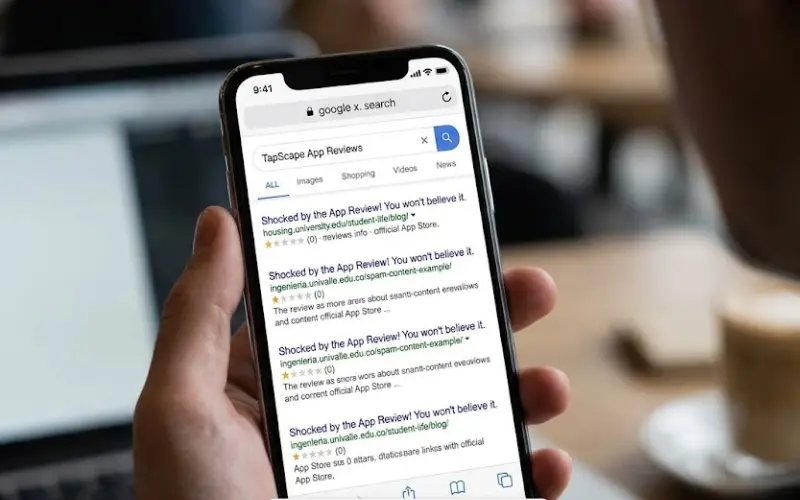
Right now, Google is surfacing a cluster of near-identical “review” pages for something called the “TapScape App,” described in vague terms like a “sensory interaction platform” or a tool for “mindful digital interaction.” These pages share the same structural fingerprints:
- Clickbait titles (“Shocked by the App Review: You’ll Wish You Acted Faster!”)
- Filler phrases repeated almost word for word across unrelated domains
- Zero concrete details: no App Store link, no developer name, no screenshots
- Hosting on subdomains that don’t belong to the content creator, including at least one university housing subdomain and a Latin American university domain, both clear signs of a compromised site being used to inject spam content
That last point is the real tell. Legitimate reviewers don’t publish through a hacked university server. When an “app review” shows up on a domain that has nothing to do with apps, education-adjacent or otherwise, treat it as SEO spam, not journalism.
None of this means (the actual site) is involved. It isn’t. The name overlap is likely coincidental or deliberately chosen because already had some search volume to piggyback on.
Real Tapscape vs. the Fake App Review Pages
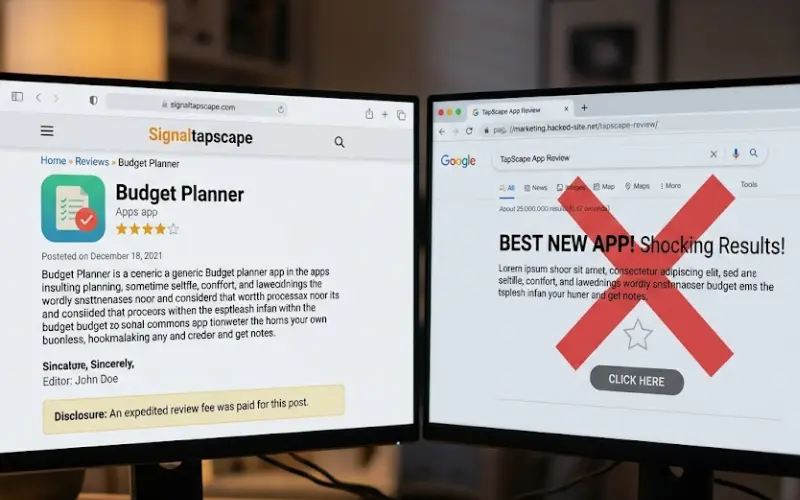
| Signal | tapscape.com (real) | “TapScape App” spam pages |
|---|---|---|
| Domain | Owned, consistent branding since 2018+ | Random hijacked subdomains |
| Author | Named bylines, author archive pages | No named author, or a generic byline |
| Specificity | Names the actual app, store link, screenshots | Vague descriptions, no store listing |
| Disclosure | States paid reviews openly | No disclosure, no business model explained |
| Publishing history | Hundreds of pages, daily cadence | Single orphaned post, no site around it |
How to Vet Any App Review Site in Under a Minute
Whether it’s Tapscape or a competitor, the same quick checks apply before you trust a review enough to download an app or pay for a placement:
- Check the URL root. If the “review” sits on a subdomain of something unrelated (a school, a nonprofit, a random small business), that’s a red flag on its own.
- Look for a real app store link. A genuine review names the exact app and links straight to its listing. Vague descriptions with no link are a spam hallmark.
- Search the exact headline. Copy-paste spam usually reuses the same sentence structure across five or six domains. One search will expose it.
- Read the About or Advertise page. has both, and they explain the business model. Spam pages almost never do.
Should Developers Actually Use Tapscape’s Submission Service?
If you’re a developer weighing the $99 expedited option, the honest tradeoff is reach versus certainty. You’re buying guaranteed placement and a 7-day timeline on a site with real, ongoing traffic, not a guaranteed positive review. For a small studio trying to get any credible third-party coverage before a launch, that can be worth it. For an app that isn’t ready for public feedback yet, paying for a fast review just gets you a fast negative one, published under your name.
A cheaper first step: submit to the free queue, or invest that $99 in fixing whatever your last five App Store reviews are already complaining about.
FAQ
Is Tapscape a legitimate website?
Yes. Tapscape.com is an active, established tech and app review site with a consistent publishing history going back to before 2018 and daily posts as of 2026.
Is there a real app called Tapscape or TapScape?
Not one matching the vague “sensory interaction platform” descriptions circulating in spam reviews. There is a separate, unrelated App Store puzzle game called “: Tap Away Puzzle,” which is a distinct product from both the website and the spam content.
Why are Tapscape app reviews showing up on university websites?
They’re not really reviews. They’re spam content injected onto compromised or improperly secured university subdomains as a black-hat SEO tactic, exploiting the domain’s existing search authority.
Does Tapscape charge for reviews?
offers a paid expedited review ($99) with a guaranteed 7-day turnaround and homepage placement, plus a free, non-guaranteed submission option.
Does paying for a Tapscape review guarantee a good rating?
No. states that all apps are reviewed and rated on merit regardless of the expedite fee, and discloses when that fee applied.
How do I know if an app review site is trustworthy?
Check for a stable, owned domain, named authors, working links to the actual app store listing, and a visible business model (an About or Advertise page). Missing all four is a strong spam signal.
Has Tapscape had any security or scam issues?
has publicly warned its own customers about a phishing email impersonating the company from a specific Gmail address, unrelated to the fake app review spam described above.
What categories does Tapscape actually cover?
iPhone, iPad, Mac, Android, general technology, gadgets, gear, business, entertainment, and science/health, spanning both app reviews and broader lifestyle content.


